
Uncategorized
How is cognac made? Distillation, ageing and oak barrels
Nov
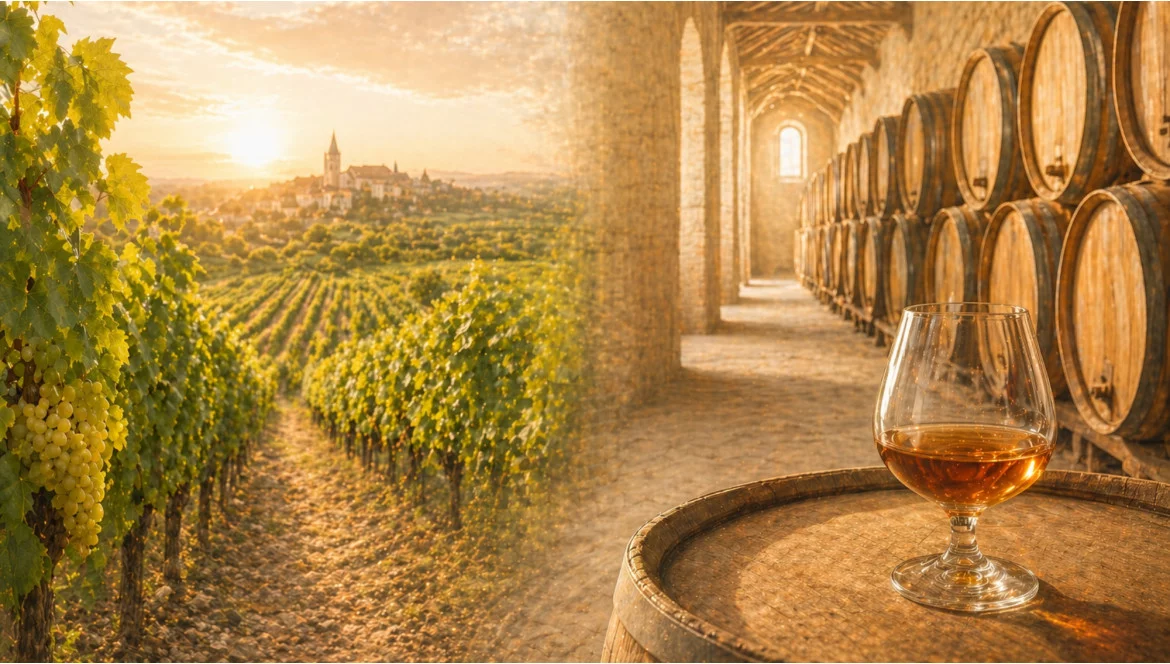
Distillation, oak barrels, ageing… discover the secrets behind cognac production and the incredible French craftsmanship involved.
Cognac is an exceptional brandy protected by a Controlled Designation of Origin (AOC), produced exclusively in the Cognac region of France. Its production is based on an extremely precise process: vinification, double Charentais distillation, aging in oak barrels, and blending by the cellar master.
This complete guide explains in detail each stage of cognac production, from the vineyard to aging in the cellar.
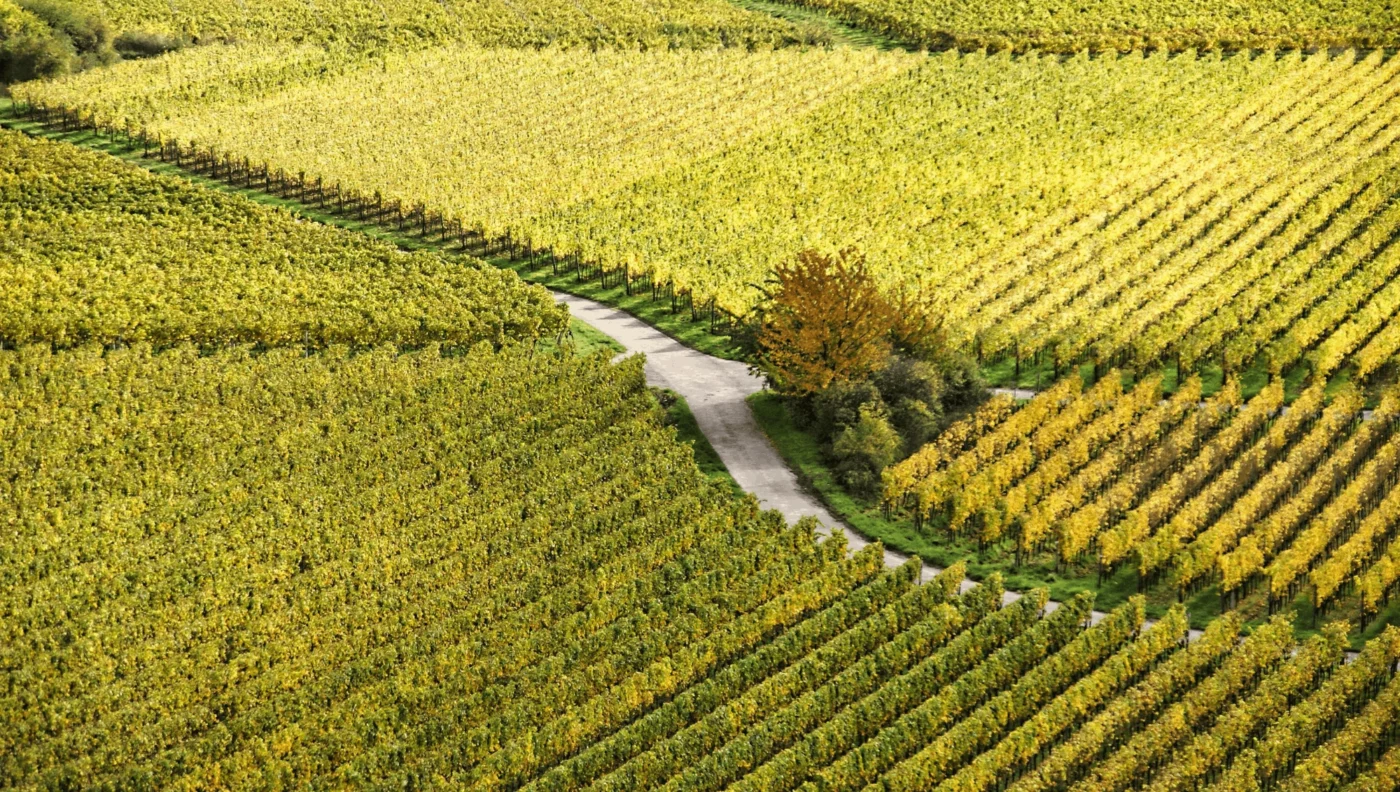
Cognac vineyard: origin of Ugni Blanc grapes
1. Terroir and vineyard: the foundation of cognac
Cognac comes from a unique terroir located around the Charente region. The main grape variety used is Ugni Blanc, chosen for its high acidity and low sugar content.
This dry white wine is perfectly suited for cognac distillation, as it produces a fine and stable eau-de-vie.
Why is this grape variety used?
- Low natural alcohol level
- High acidity ideal for distillation
- Perfect aromatic neutrality for aging
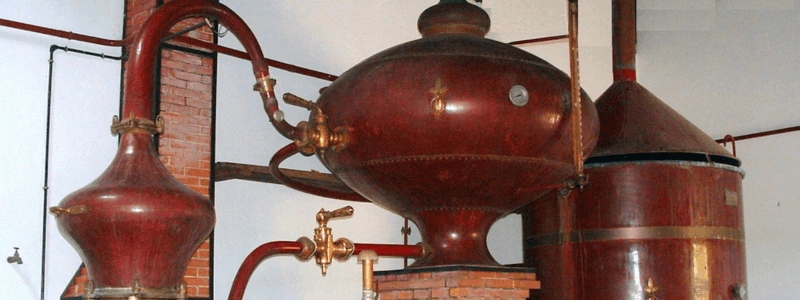
Distillation in a traditional Charentais still
2. Vinification and double Charentais distillation
After harvest, the grapes are transformed into dry white wine. This wine is then distilled in a copper Charentais still.
Double distillation: a key step
Distillation takes place in two successive stages:
- First heating: production of the brouillis (~30% alcohol)
- Second heating: extraction of the heart (~70% alcohol)
Only the heart is kept for aging, ensuring purity and aromatic finesse.
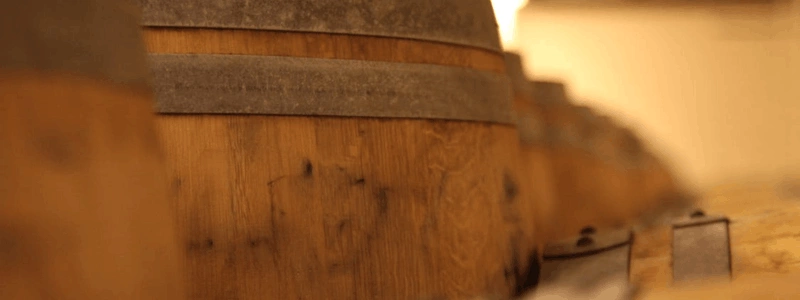
Cognac aging in French oak barrels
3. Aging in oak barrels: aromatic transformation
Once distilled, cognac is placed in French oak barrels mainly sourced from Limousin or Tronçais.
Role of the oak barrel
- Contribution of natural tannins
- Development of woody and vanilla aromas
- Natural amber coloration
The “angel’s share”
Each year, around 2% of cognac evaporates through the wood. This natural loss is called the angel’s share and plays an essential role in aroma concentration.
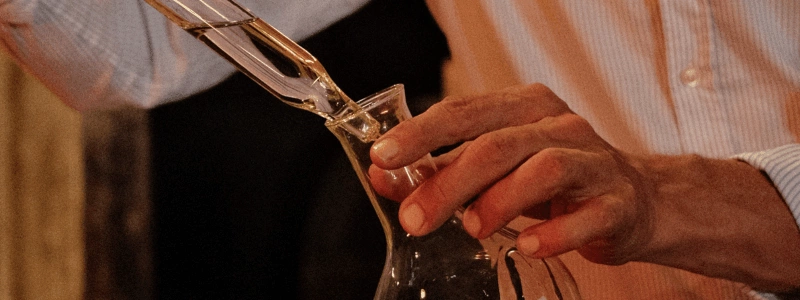
The cellar master supervises cognac blending
4. Blending: the expertise of the cellar master
The cellar master selects different eaux-de-vie from various barrels to create a balanced cognac.
Each blend is unique and represents the signature of the house.
Related article: the role of the cellar master in cognac
5. Regulation and AOC quality control
Cognac is strictly regulated by the Controlled Designation of Origin (Cognac AOC).
- Limited geographical area
- Mandatory double distillation
- Minimum aging of 2 years
- Blending control
This regulation ensures consistent quality recognized worldwide.
6. Main stages of cognac production
- Ugni Blanc grape cultivation
- Production of dry white wine
- Double Charentais distillation
- Aging in oak barrels
- Cellar master blending
- Bottling
FAQ – cognac production
How long does cognac age?
Minimum 2 years, but some exceed 50 years of aging.
Why is the oak barrel essential?
It provides color, structure, and aromatic complexity.
What is the difference between distillation and aging?
Distillation creates the eau-de-vie, aging transforms it into cognac.
