
Uncategorized
Everything you need to know about Cognac: The Ultimate Guide
Oct
Immerse yourself in the world of cognac: its history, craftsmanship, terroirs and ageing. A comprehensive guide to understanding this exceptional spirit and its secrets.
Everything You Need to Know About Cognac: The Ultimate Guide
Cognac is much more than just a brandy: it is a symbol of French craftsmanship, protected by a Controlled Designation of Origin (AOC). Produced exclusively in the Cognac region, it is the result of a long, precise, and strictly regulated process.
In this complete guide, discover the history of cognac, how it is made, its crus, classifications, and all the secrets that make it one of the most prestigious spirits in the world.
What is Cognac? Definition
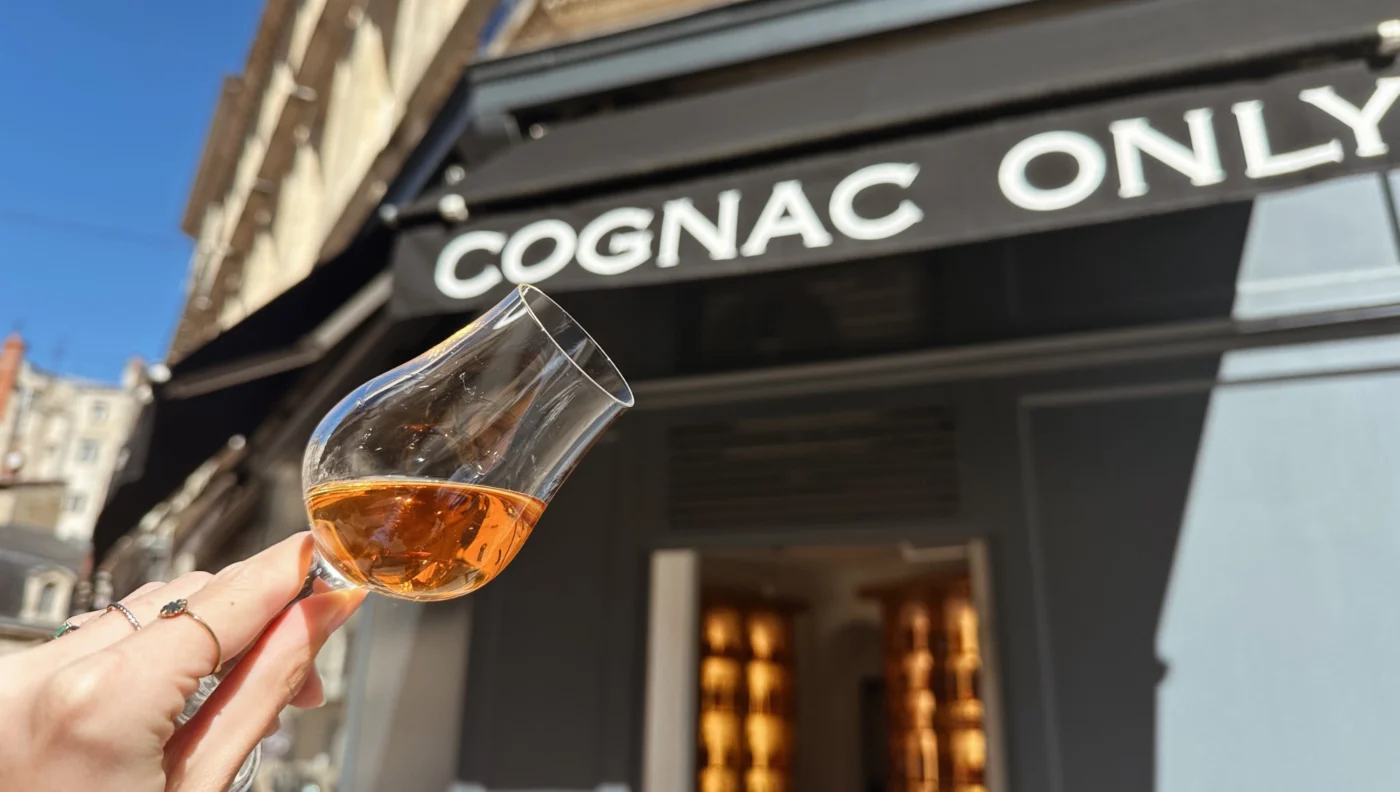
Cognac is a white wine spirit obtained through double distillation and then aged in oak barrels. It can only be produced in a strictly defined geographical area around the town of Cognac in France.
To bear the Cognac AOC designation, it must comply with strict rules regarding:
- Grape varieties used (mainly Ugni Blanc)
- Production area
- Double distillation in a Charentais still
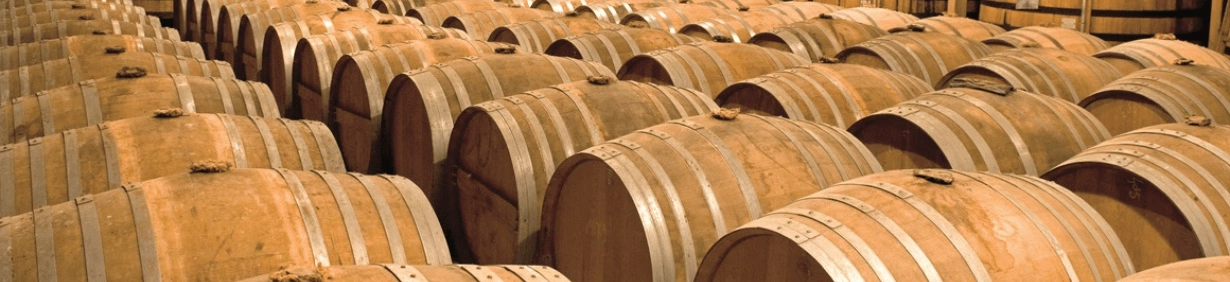
- Aging in French oak barrels
Discover our selection of authentic cognacs
The History of Cognac
The history of cognac dates back to the 16th century, when winegrowers in the region began distilling wine to better preserve it during maritime transport.
Over time, this spirit improved thanks to aging in oak barrels, giving birth to the cognac we know today.
Over the centuries, cognac became a major export product, particularly to the Netherlands, England, and the United States.
How is Cognac Made?
1. Vineyards and Grapes
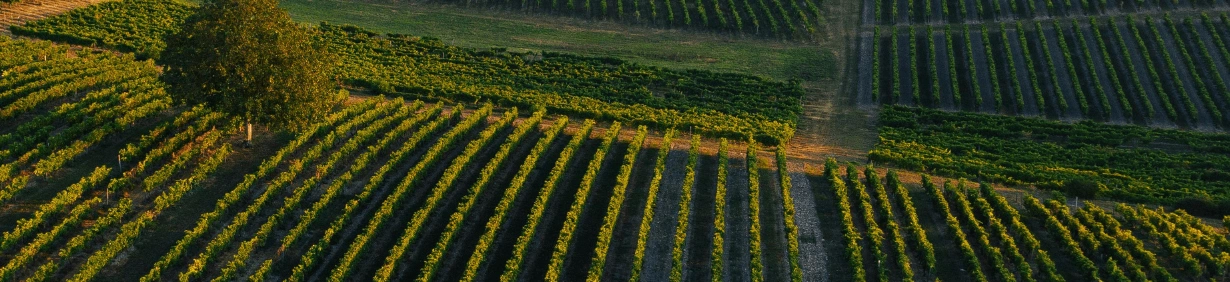
Cognac is mainly produced from the Ugni Blanc grape variety, known for its ideal acidity for distillation.
2. Fermentation
The grape juice is fermented to obtain a dry, acidic white wine intended for distillation.
3. Double Distillation
The wine is heated in a Charentais still to obtain a first and then a second distillation, producing the eau-de-vie.
4. Aging
The eau-de-vie is then aged in oak barrels, where it develops its complex aromas.
Explore our oak-aged cognacs:
The 6 Cognac Crus
The Cognac region is divided into 6 crus, each bringing different characteristics:
- Grande Champagne: finesse and long aging potential
- Petite Champagne: similar to Grande Champagne
- Borderies: floral aromas and softness
- Fins Bois: fruity and rounded
- Bons Bois: more rustic expression
- Bois Ordinaires: maritime influences
Cognac Classifications (VS, VSOP, XO)
The labels on bottles indicate the minimum aging time:
- VS (Very Special): minimum 2 years
- VSOP (Very Superior Old Pale): minimum 4 years
- XO (Extra Old): minimum 10 years
The longer a cognac ages, the more complex its aromatic profile becomes.
Cognac Aromas
Cognac develops a rich aromatic palette:
- Dried fruits (walnut, raisin)
- Vanilla and spices
- White flowers
- Wood and rancio (aging notes)
How to Taste Cognac?
To fully appreciate a cognac:
- Use a tulip or balloon glass
- Serve at room temperature
- Let it breathe
- Observe, smell, then taste
